
Reading a Bill of Lading: The Essential Fields and What Each Proves
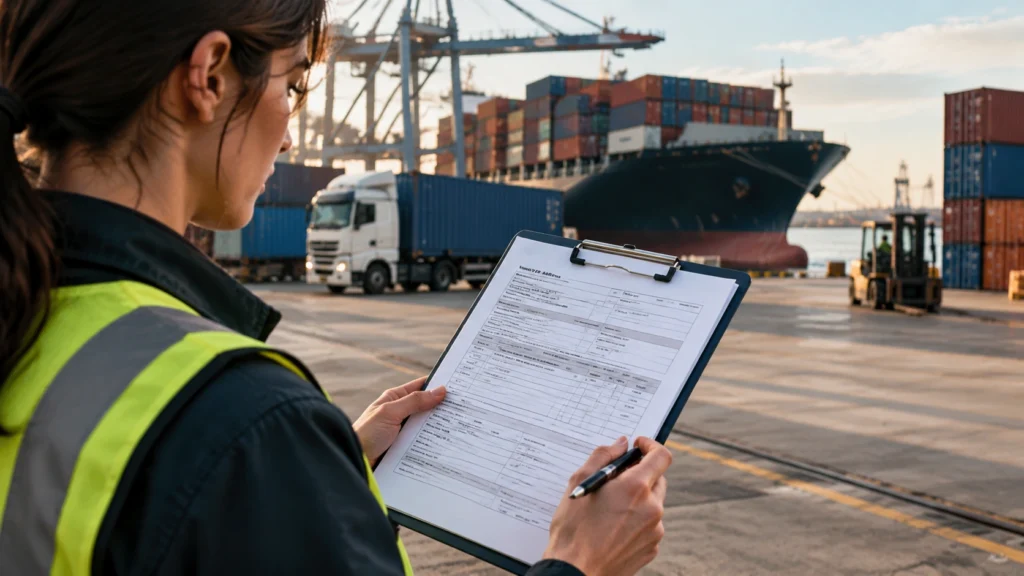
A bill of lading is one of the most consequential documents in logistics and transport. It records who sent the goods, who should receive them, what moved, and under which terms. Because it can act as a receipt, a contract of carriage, and a document of title, reading it carefully helps shippers, consignees, freight forwarders, banks, and insurers understand what the carrier has agreed to handle.
The long-tail question behind every review is straightforward: what information does a bill of lading contain and why is it important? The answer lies in the individual fields. Each field assigns responsibility, supports customs clearance, enables payment, and provides evidence if something goes wrong.
Parties, routing, and shipment identity
The first group of fields identifies the transaction and the movement.
- Shipper (consignor): The party tendering the goods. This may be the seller, manufacturer, or an authorized agent. The shipper field supports origin documentation and shows who provided the cargo description.
- Consignee: The party entitled to receive the shipment at destination. In documentary collections or letters of credit, the consignee may be a bank, a named buyer, or an order party. Correct naming prevents delivery disputes.
- Notify party: The person or company to contact when the goods arrive. This is often a customs broker, buyer, or agent, and it does not necessarily transfer ownership.
- Bill of lading number: The unique reference used to track the shipment, match documents, and retrieve carrier records.
- Vessel, voyage, container, or vehicle details: These identify the actual transport equipment and service. Container numbers and seal numbers link the paperwork to the physical box.
- Port or place of loading and discharge: These define where the carrier takes responsibility and where delivery obligations end. They are critical for transit time, routing charges, and claims analysis.
Together, these fields answer who is involved, what movement is being documented, and where responsibility changes hands.
Cargo description: what the carrier acknowledges receiving
The cargo section is the factual core of the document. Typical fields include:
- Marks and numbers: Labels, carton identifiers, or package markings that connect the paperwork to the physical units.
- Number and type of packages: Pallets, crates, drums, cartons, or units listed in a consistent count.
- Description of goods: The commodity name and any details required by trade rules. A clean description such as “canned food products” is safer than promotional wording or incomplete abbreviations.
- HS code: The Harmonized System code, when shown, supports tariff classification and customs screening.
- Gross weight and measurement: Weight and volume help carriers calculate handling, stowage, and chargeable weight.
- Container and seal numbers: These show which unit was tendered and whether the seal matched at handover.
The carrier’s acknowledgment is usually limited to what it can reasonably verify. The document proves receipt of the described packages, not necessarily the exact quantity inside every package unless the carrier counted or inspected them. This distinction matters when a shortage is discovered later.
Freight terms and delivery instructions
Freight payment fields show who pays the carrier and at which stage. Common expressions include freight prepaid and freight collect. Freight prepaid means the shipper or origin party settled the carriage charge; freight collect means the destination party pays before or at delivery. These terms influence invoices, cash flow, and the release of documents.
Other instructions may specify:
- Place of issue and issue date: Establishes when the contract and receipt evidence took effect.
- Number of original bills of lading: Original documents may be required to obtain delivery or transfer rights.
- Delivery terms or final destination: Clarifies whether the carrier’s obligation ends at the port, terminal, warehouse, or another named place.
- Special instructions: Temperature requirements, hazardous handling notes, or delivery appointment details may be recorded when the carrier accepts them.
Carrier acknowledgment, signatures, and exceptions
The signature area shows who issued the document and in what capacity. A carrier or its named agent signs to acknowledge receipt and state the terms under which the goods will move. The shipper may also sign when required by trade finance rules or when the document is prepared as a shipper’s load and count type.
Notations such as shipper’s load, stow, and count indicate that the shipper packed the container and the carrier did not verify its contents. Clean versus claused wording is equally important. A clean document states that the goods were received in apparent good order and condition, while a clause records visible damage, missing information, or packaging concerns. That wording can affect inspections, insurance, and claims.
Why each field matters during the shipment
Before departure, the document supports booking accuracy, customs filing, and cargo insurance. During transit, it links the container or packages to the carrier’s records and helps terminals release the right equipment. At destination, it guides delivery, duties, and the handover of possession. After arrival, it becomes evidence for audits, claims, and payment settlement.
Common errors to check before acceptance
- Shipper or consignee names that do not match the sales contract or letter of credit.
- Package counts that differ from packing lists or purchase orders.
- Incorrect ports, discharge locations, or notify details.
- Weight or measurement values that conflict with verified shipping data.
- Container or seal numbers that do not match the physical equipment.
- Missing originals, unclear freight terms, or unexplained handwritten changes.
Correcting a field after issuance can require a formal amendment, surrender of originals, or carrier release instructions. The more parties rely on the document, the harder late corrections become.
A practical reading sequence
Start with the parties and references, then confirm the route and dates. Read the cargo description against the packing list and commercial invoice. Check freight terms, delivery instructions, and the number of originals. Finally, review signatures, agent details, and any clauses. This sequence turns a dense form into a clear chain of responsibility.
A bill of lading is not merely paperwork attached to a shipment. It is the written record of possession, terms, and movement. When each field is accurate, supply chain participants can coordinate payment, customs, insurance, and delivery with far less friction.