Why Last Mile Delivery Costs So Much: Distance, Stop Density, and Service Promises in Logistics and Transport
In logistics and transport, the final leg of delivery consistently consumes the largest share of total shipping cost. The last mile is where packages leave regional hubs and travel to individual doorsteps, and this step is uniquely expensive compared with line-haul moves between distribution centers. Understanding why is last mile delivery more expensive than other shipping stages helps shippers, retailers, and carriers design smarter networks and set realistic service expectations.
What the Last Mile Covers
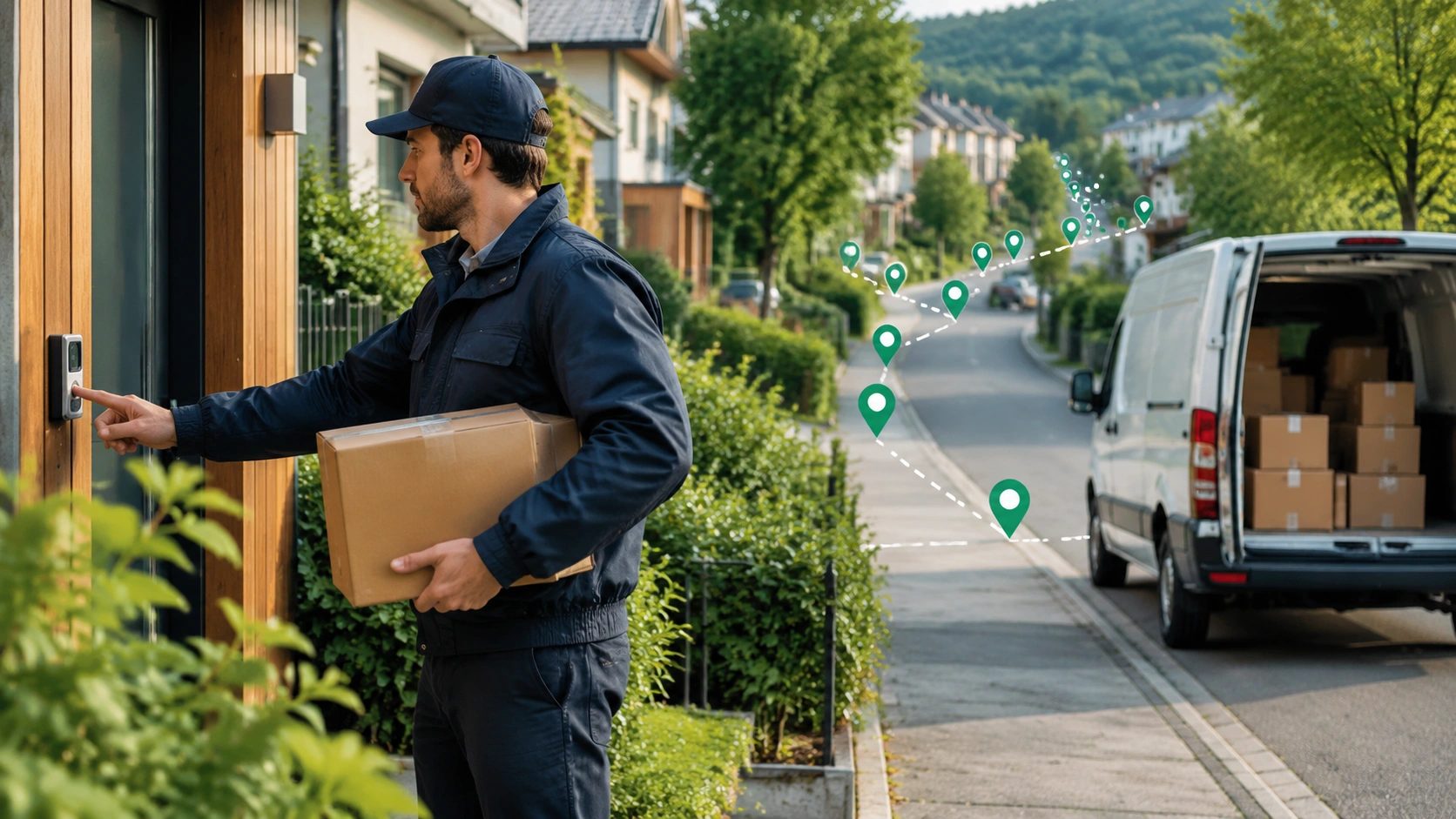
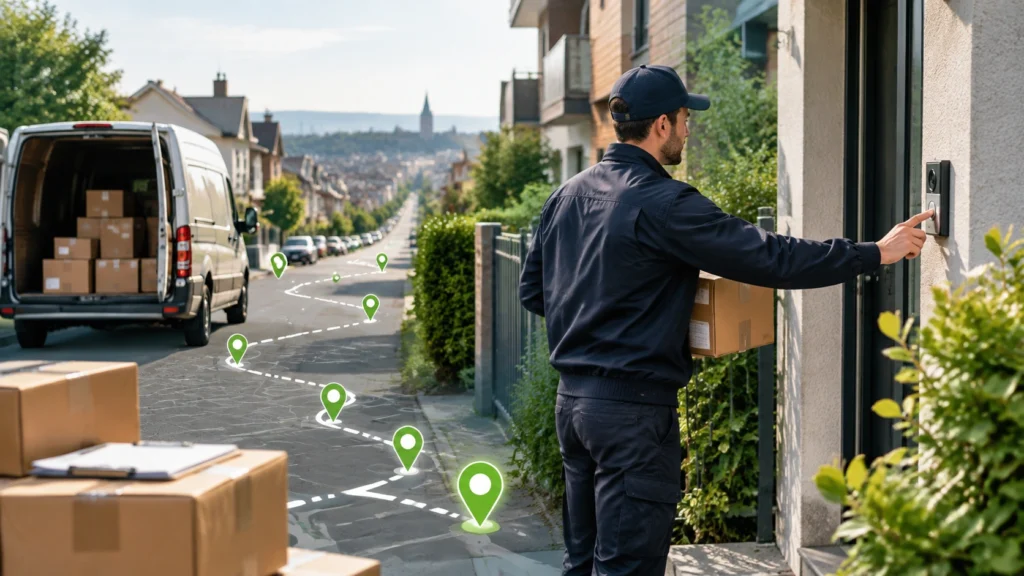
The last mile begins when a parcel arrives at a local station or delivery facility and ends when it reaches the recipient. Unlike trunk routes that move thousands of parcels between hubs in a single run, the last mile breaks bulk. A truck that carried a dense load now serves many addresses spread across neighborhoods. Each additional stop changes the economics of the route, turning a single efficient movement into a sequence of short, time-consuming tasks.
Carriers often describe this phase in terms of stop density, the number of deliveries per mile driven, and route complexity, the mix of traffic patterns, parking availability, building access rules, and recipient instructions. Both factors raise labor time and vehicle operating cost per package.
Why Stop Density Matters
- Fewer stops per mile: Urban routes may have high stop density, but suburban and rural routes often do not. When a driver travels farther between deliveries, the cost per parcel rises because fixed costs like fuel, vehicle wear, and driver wages are spread over fewer stops.
- Time per stop: Each delivery requires actions such as parking, locating the address, walking to the door, scanning, photographing proof of delivery, and handling special instructions. These steps add minutes that do not shrink simply because the package is small.
- Failed attempts: If a recipient is not home or access is restricted, the driver may need to return later or reroute to a pickup point. Failed attempts double the handling for a single parcel and reduce overall route efficiency.
Because of these realities, the last mile often accounts for more than half of total delivery cost, even though it covers a small fraction of the total distance a parcel travels from origin to destination.
Distance and Route Fragmentation
Long-haul transportation moves freight in bulk over predictable corridors. The last mile, by contrast, fragments routes into many short segments. The distance between stops can look small on a map, but in practice it includes turns, traffic signals, construction zones, and limited parking. In dense cities, congestion slows every move. In rural areas, long stretches between addresses increase drive time and fuel consumption.
Route fragmentation also interacts with vehicle capacity. A van may hold hundreds of parcels, but the time to deliver them is limited by legal driving hours, shift schedules, and customer delivery windows. Carriers must balance load planning with time constraints, and that balance often requires extra vehicles or overtime labor.
Service Promises That Raise Cost
Customer expectations have reshaped last mile operations. Shoppers increasingly want faster, more precise delivery options, and carriers respond with promises that add operational complexity.
- Same-day and next-day delivery: Speed requires closer staging of inventory, smaller batch sizes, and tighter route planning. Warehouses and micro-fulfillment centers must position stock near demand, which increases facility and inventory costs.
- Time-window delivery: Narrow delivery windows reduce the number of packages a driver can fit into a route. The more specific the promise, the less flexibility the carrier has to optimize sequences.
- White-glove and threshold services: Inside delivery, assembly, or signature requirements add labor time and risk management. These premium services improve customer experience but raise cost per stop.
- Real-time tracking and communication: Providing accurate ETAs and notifications requires investment in routing software, mobile devices, and data infrastructure. The technology improves transparency, but it also introduces ongoing maintenance and integration costs.
These service levels are valuable for customer loyalty and conversion, yet each one increases the operational demands on the final leg.
Operational Costs Unique to the Final Leg
Several cost drivers appear mainly in last mile operations. Vehicle idling in traffic, frequent braking and accelerating, and short-cycle routes increase fuel use and maintenance. Urban deliveries may require fees for parking, tolls, or restricted-zone access. Drivers face higher cognitive load because they must manage many micro-decisions per route, from locating a safe stop to handling unexpected recipient requests.
Return logistics also concentrate in the last mile. Undeliverable parcels, refused shipments, and customer-initiated returns must be picked up and routed back through the network. Returns add extra miles and handling that do not generate new revenue for the delivery trip.
How Carriers and Shippers Manage Last Mile Cost
Although the final leg is expensive, companies use several strategies to manage cost without sacrificing service quality.
- Network design: Placing fulfillment centers closer to demand shortens the last mile and increases stop density. Urban micro-fulfillment, dark stores, and forward stocking locations reduce travel time per delivery.
- Route optimization: Advanced routing software sequences stops to minimize miles while respecting time windows and access constraints. Dynamic re-routing helps drivers adapt to real-time conditions.
- Delivery alternatives: Pickup points, parcel lockers, and in-store collection reduce failed attempts and consolidate deliveries. These options lower cost while giving customers flexibility.
- Collaborative delivery: Sharing capacity across carriers or using crowdsourced drivers during peak periods can balance demand without permanent fleet expansion.
- Vehicle selection: Right-sizing vehicles to route type improves efficiency. Smaller vans or cargo bikes can navigate dense urban areas more easily than large trucks.
Each approach targets one or more cost drivers, from stop density to failed attempts, and together they help control the economics of the final leg.
Why the Last Mile Will Remain the Costliest Stage
Even with better tools and smarter planning, the last mile will likely stay expensive. The fundamental reason is that delivering to individual locations requires human labor at each stop, and that labor interacts with unpredictable conditions like traffic, weather, building access, and recipient availability. As e-commerce grows, parcel volumes rise, but so do customer expectations for speed and transparency. The tension between volume growth and service promises keeps pressure on last mile operations.
In summary, the final leg of delivery is the most costly shipping stage because it converts efficient bulk movement into many individual actions. Stop density, route fragmentation, and service promises each add time, labor, and complexity. By understanding these forces, shippers and carriers can design networks, set realistic promises, and use the right mix of technology and delivery options to manage cost while meeting customer needs.